The chemical Hydrochloric Acid is extremely corrosive. Hydrochloric Acid is an acid that cannot be used with metal components. Containment and chemical compatibility are the two most important factors to consider while handling Hydrochloric Acid. Chemical compatibility is a common source of confinement.
Hydrochloric acid Transfer Pumps are specialised pumps. There should be no metal parts in contact with the media or the acid. A Non-Metalic Pump should be used to transport hydrochloric acid. In just a few hours, every metal that comes into touch with Hydrochloric Acid becomes contaminated. Hydrochloric acid is corrosive to metals in particular. Metals like aluminium, cast iron, and even some stainless steels are inappropriate for hydrochloric acid since they will erode the material severely. When greater temperatures and pressures are necessary, metals are utilised with hydrochloric acid. Hastelloy-C and Titanium are common metals used to handle hydrochloric acid at lower concentrations and Hastelloy-C at higher temperatures. Although these metals may withstand powerful acids, they are corrosion-resistant. Because of the predicted corrosive wear, many pumps are designed with a limited life cycle. For certain pumps, this might be as short as a few months since, regardless of the material used, the pump will eventually fail.
The acid hydrochloric acid is extremely corrosive. This acid is commonly formed during the chlorination of organic chemicals. The concentration of these acids ranges from dilute solutions to fuming types at around 40% HCL. Each year, approximately 20 million tonnes of hydrochloric acid are produced, making it an important chemical for a variety of processes. It is produced both by chemical manufacturers and as a byproduct of other processes on-site.
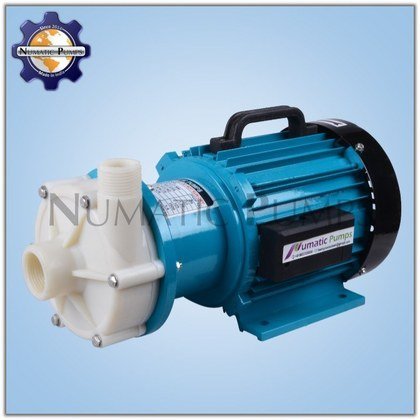
PP Monoblock Pumps manufactured by us are used to relocate or circulate Hydrochloric Acid, HCL Acid and Sulphuric Acid, Chemicals, and Corrosion Liquids. This Polypropylene Monoblock Pumps are totally Non-Matellic Pumps and can be used for Hydrochloric Acid or HCL Acids. The Design of the PP Pump and motor is been Compacted to do minimize space. It gives high head & capacity. Monoblock Pumps are small, economical and easy to operate. Our PP Monoblock Pumps are highly proffered in Petro Chemical & Paint Industries, Metal finishing, and Fertilizer, Chemical Transfer and Water Treatment plants.
These PP Monoblock pumps are excellent in performance and have minimal maintenance and almost no vibrations. This Pumps are Installed effortlessly and are of incredible durability. Our Monoblock pumps are at very affordable rates. PP / SS316 / PVDF series Pumps are specially designed for highly corrosive chemicals. Where Magnetic Drive pumps are not recommended or their cost is higher these Pumps are Used.
The Monoblock series pump design is a single One-piece moulded polypropylene volute casing. The Impeller is of the semi-open type to ensure a smooth running performance against corrosion. The high alumina ceramic sleeve protects the shaft from any corrosion and abrasion. The GFT or Sic Vs Ceramic PTFE below the Mechanical seal prevents leakage from the pumps. The Cast Iron heavy duty oil-lubricated bearing housing provides maximum strength to the pump.
* Steel pickling, Hydrochloric Acid removes iron oxide and scale from metal surfaces before further processing, such as coating.
* Hydrochloric Acid is used to recover crude oil by injecting it into rock and cleaning the well of contaminants.
* Many food ingredients, such as corn syrup, gelatine, sauces, and preservatives, are made with hydrochloric acid.
* The production of leather products and PVC material.
* The production of household cleaning products.
* The production of organic and inorganic compounds in wastewater treatment, polymers, and battery manufacturing.
Where contaminants react with the hydrochloric acid in the fluid, such as in circulation applications, the pump may experience an exponential rate of corrosion due to the particles being oxidised. The chlorination of organic compounds results in the production of hydrochloric acid. These acids are available in a variety of concentrations, ranging from weak solutions to fuming versions containing roughly 40% HCL. Each year, over 20 million tonnes of hydrochloric acid are generated, making it a critical chemical in a variety of processes. Chemical factories generate it, as well as onsite as a byproduct of other operations. Hence a special Hydrochloric Acid Pump are design to tackel all the corrosion chalanges.
PP Magnetic Drive Pumps which are Sealless Pumps are the finest choice for pumping Hydrochloric Acid at ambient temperature, whereas PVDF Magnetic Drive Pumps are excellent for temperatures above 80 degrees Celsius. Because Magnetic Drive Sealless Pumps are Non-Metallic Pumps, there is no alternative option for Hydrochloric Acid. As we all know, hydrochloric acid is very corrosive, and no metal can withstand it for more than a few hours.
Hydrochloric HCL Acid propertries and Suitable Materials:
The Chemical Hydrochloric Acid is extremely corrosive. This acid is frequently generated during the chlorination of organic compounds. HCL Acids come in a variety of concentrations, from weak solutions to fuming kinds with around 40% HCL. Where contaminants react with the hydrochloric acid in the fluid, such as in circulation applications, the pump may experience an exponential rate of corrosion due to the particles being oxidised. Hydrochloric Acid is generated in large quantities each year, making it a significant chemical in a variety of activities. Chemical firms create it, as well as onsite as a byproduct of other operations. Containment and chemical compatibility are the two most important factors to consider while handling Hydrochloric Acid.
Hydrochloric acid is corrosive to metals in particular. Aluminium, cast iron, and even some stainless steels are inappropriate for HCL Acid because they will severely corrode them. When greater temperatures and pressures are necessary, metals are employed with Hydrochloric Acid.
The suitable hydrochloric acid transfer pump depends on the acid concentration, temperature, required flow and head, and the compatibility of the pump’s wetted materials. Common pump types include:
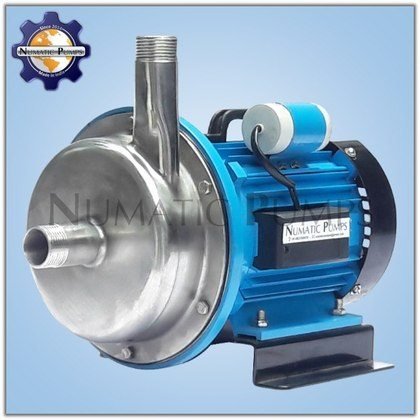
PP Centrifugal Pumps – Polypropylene pumps can be suitable for many HCl transfer and circulation applications when operating conditions are within the material’s compatibility limits and temperature is below 70 degrees Celsius.
PVDF Centrifugal Pumps – PVDF provides strong chemical resistance and can be selected for more demanding hydrochloric acid applications when the temperature is above 70 degrees Celsius.
Magnetic Drive Pumps – These sealless centrifugal pumps use magnetic coupling instead of a conventional rotating shaft seal, making them useful where minimising leakage is important.
When selecting a hydrochloric acid transfer pump, it’s important to consider several factors to ensure the pump can safely and effectively handle the acid.
Acid Concentration and Temperature
The concentration and temperature of the acid being transferred will impact the type of pump and materials of construction required. Hydrochloric acid is commonly available in concentrations ranging from 10% to 37%, and temperatures can range from ambient to high temperatures.
For low-concentration and ambient-temperature applications, plastic pumps may be suitable. However, for high-concentration and high-temperature applications, pumps made from more corrosion-resistant materials such as stainless steel or Hastelloy may be required.
Flow Rate
The flow rate of the acid being transferred will also impact the type of pump required. Centrifugal pumps are generally better suited for high-flow applications, while diaphragm and peristaltic pumps are better suited for low-flow applications.
In addition to selecting the appropriate hydrochloric acid transfer pump, there are several best practices that should be followed to ensure safe handling of hydrochloric acid.
Personal Protective Equipment
All personnel handling hydrochloric acid should wear appropriate personal protective equipment (PPE), including gloves, safety goggles, and a face shield. In addition, clothing made from materials such as PVC or neoprene can provide additional protection against splashes.
Ventilation
Hydrochloric acid can release toxic fumes, so adequate ventilation is critical. The work area should be well-ventilated, and local exhaust ventilation should be used when transferring the acid.
Emergency Response Plan
An emergency response plan should be in place in case of accidental exposure or spillage of hydrochlor.
Hydrochloric acid transfer pumps are used to safely transfer hydrochloric acid from one container or location to another. Hydrochloric acid is a highly corrosive and reactive chemical, and therefore it requires specialized equipment to handle it safely. The pumps are used in a variety of industries such as chemical manufacturing, wastewater treatment, and mining, where hydrochloric acid is commonly used for processes such as pH adjustment, metal extraction, and cleaning. The type of pump selected depends on the specific application and the amount of acid that needs to be transferred.
Thank you for visiting our website and your interest in our products and services. If you have any further questions or would like more detailed please feel free to contact us.
Before selecting a pump, consider hydrochloric acid concentration, temperature, flow rate, discharge head, specific gravity, suction conditions and material compatibility. For corrosive hydrochloric service, the wetted materials—including the casing, impeller, shaft, seals and gaskets—should all be evaluated.
Numatic Pumps offers a wide range of pumps for the chemical Hydrochloric Acid (Muriatic Acid). Numatic Pumps has a pump for HCL Hydrochloric Acid (Muriatic Acid) for any application, ranging from 5 LPM to 2500 LPM. It is recommended to use a centrifugal sealless magnetic drive chemical pump made of Polypropylene or Kynar Plastic, Encapsulated Impeller, and Carbon or Mica Teflon Bushing when pumping the chemical Hydrochloric Acid (Muriatic Acid) at room temperature.
HCL Hydrochloric acid is a highly corrosive solution of hydrogen chloride in water. It is a clear and colourless inorganic acid with numerous applications in various industries. It is naturally present in gastric acid. Because it was originally made from green vitriol and rock salt, and later from sulfuric acid and common salt, it was known as spirits of salt, muriatic acid, and acidum salis. Depending on the concentration and temperature, the chemical Hydrochloric Acid (Muriatic Acid) can also be heavy. If the specific gravity is greater than 1.1, a trimmed impeller is required to avoid decoupling or overloading the motor. Higher concentrations and temperatures of the chemical HCL Hydrochloric Acid, either together or separately, may render the pumps listed above ineffective. Regardless of the temperature or concentration, it is strongly advised that you contact a local Numatic Pumps distributor directly to review your application before ordering a pump. On a global scale, 20 million tonnes of hydrochloric acid are produced each year. It is used in the manufacture of PVC plastic, polyurethane, household detergents, and food.
Hydrochloric acid, also known as HCl, is a common compound that has a wide range of applications. The same compound that actively works to break down the food that people digest is also used in the production of everyday products such as batteries, fertilisers, and other materials that we use on a daily basis. When looking for the best chemical pump for hydrochloric acid, keep its application in mind. Our Pump’s experts have extensive knowledge of chemical pumps and processing to assist clients in selecting the best pump for the job. Clients can always find what they need for their specific business or industrial challenges with these extensive chemical pump offerings that can accommodate diverse chemicals, combined with our team of chemical pump experts.
Estd. 2014 © 2026 Numatic Pumps (All rights reserved)
Estd. 2022 © 2026 Unico Pumps (All rights reserved)